Can you enjoy Jiu-Jitsu without competing?
Yes. Jiu-Jitsu without competing can still offer a full learning experience: you practise with other people, ask questions, recognise what is becoming familiar and decide what you want from each class. A tournament is one possible goal, but it need not be the measure of whether training matters to you.
At Gracie Barra Artarmon, our adult classes include people with different reasons for stepping onto the mats. If competition does not appeal to you, three parts of everyday training may still make Jiu-Jitsu rewarding: learning a skill, sharing the practice and noticing progress in ways that are meaningful to you.
DISCOVER Gracie Barra Artarmon
CLICK HERE1. Learning gives each class its own purpose
You can walk into class with a small question rather than a competitive target. Perhaps you want to understand why a partner moves a certain way, remember the order of an exercise or feel more comfortable trying something unfamiliar. The instructor’s explanation and a few attempts with a partner give you something concrete to work on that day.
That kind of goal changes how you judge a difficult class. If a movement takes time to understand, the session has not been wasted. You have learned what to ask next and which part needs another look. Our beginner’s guide can help you place that early learning in context without expecting instant fluency.
Competition can give some students a deadline and a reason to prepare. Others prefer an open-ended question that develops through regular practice. Both approaches involve taking the learning seriously. A related Gracie Barra programme FAQ explicitly describes continued Jiu-Jitsu practice as valuable even for students who do not enter competitions; it does not define a policy for our Artarmon classes.
2. Partner work makes learning social
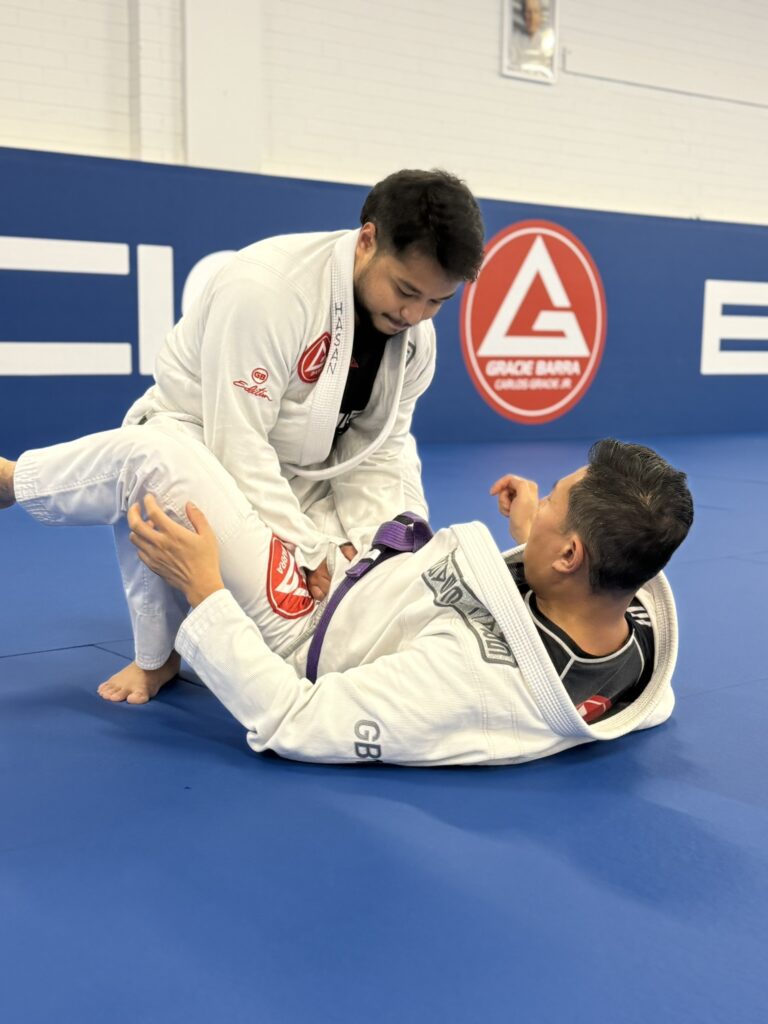
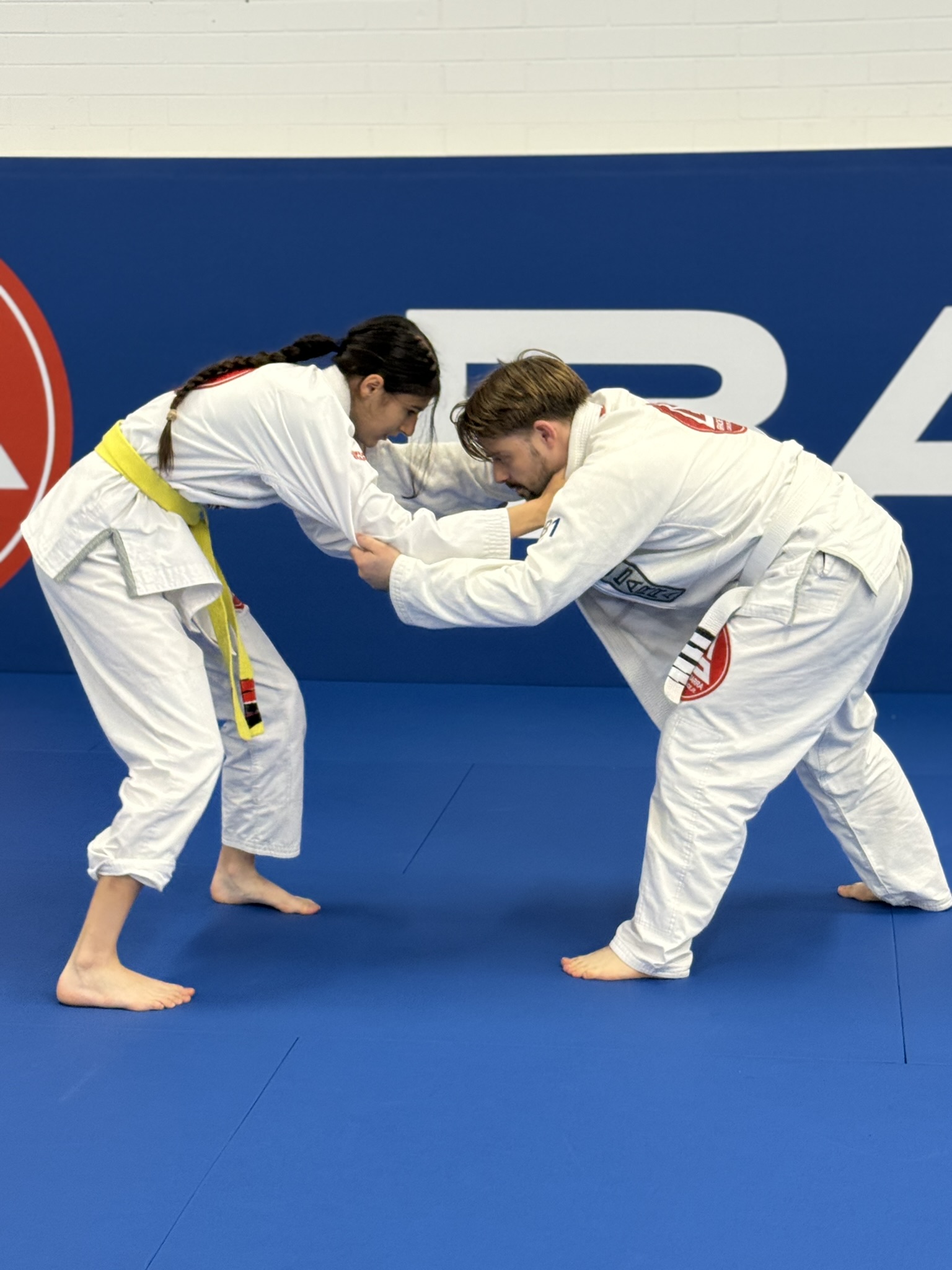
Jiu-Jitsu is learned with other people. You take turns, listen to instructions and adjust your practice so that both partners can understand the activity. That shared attention can make class interesting even when no medal or match is on your calendar.
Practising together is different from keeping score
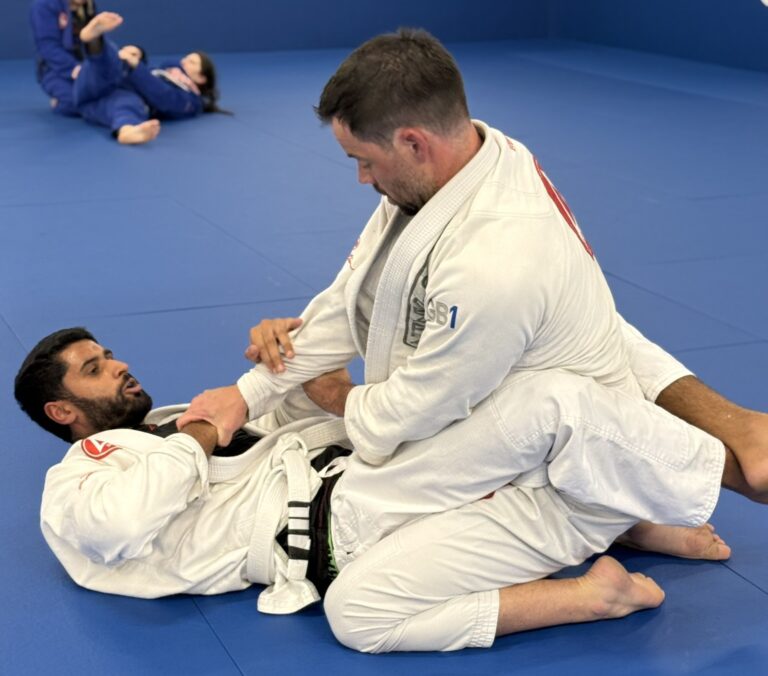
Two people can work on the same movement without treating every attempt as a contest. One may ask the instructor to repeat a detail; the other may notice a question they had not thought to ask. Helping a partner understand an exercise also makes you pay attention to your own understanding. Our article on being a considerate training partner explores how communication supports that shared work.
There may still be challenging moments in class. Training without a competition goal does not mean avoiding effort. It means that the point of the effort is learning with the people in front of you. That distinction can be especially helpful if you enjoy an active class but do not want an event to decide whether the experience was worthwhile.
Different partners bring different questions
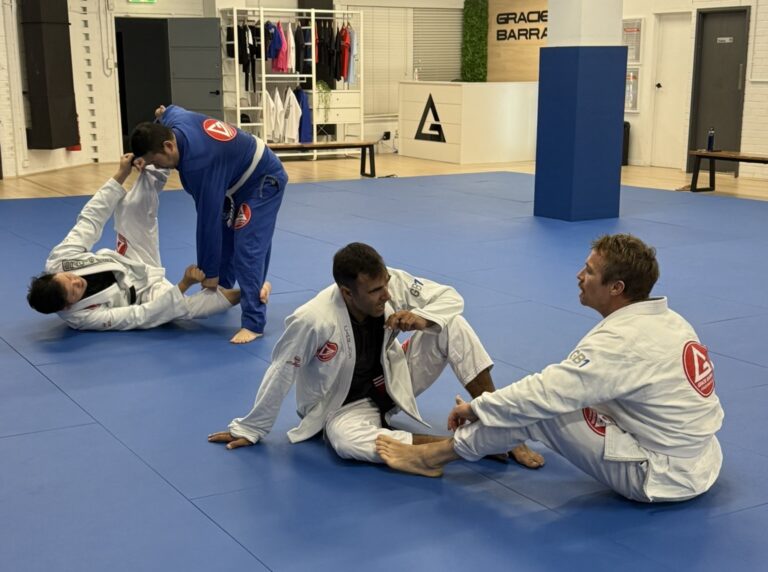
Working with different classmates can reveal how much there is to learn from ordinary practice. Someone may approach an exercise more slowly, while another asks for a different explanation. You do not need to match their background or ambitions to share a useful round.
At Gracie Barra Artarmon, our adult class options give you a starting point for discussing what suits your experience. The programme descriptions explain the levels; if you are unsure where to begin, asking us directly is better than choosing a class because its name sounds more or less competitive.
3. Progress can be personal and observable
A competition result is clear, but it is only one kind of feedback. In everyday practice, progress may look like remembering a class instruction, asking a more precise question or feeling comfortable with an exercise that once seemed confusing. These are observations you can make without comparing yourself with another student.
It helps to choose something modest enough to notice. After class, ask yourself what made more sense today than it did a few weeks ago. If nothing stands out, think about what you would like to ask next time. That question gives the next session a purpose without turning every visit into an assessment.
Belts and stripes also mark stages of a longer process, but they do not have to carry every expectation you bring to the mat. Our belt system guide explains those milestones. Your own reasons for enjoying class can include them while remaining broader than the next promotion.
Choose a reason to train that belongs to you
If you are considering Jiu-Jitsu without competing, start with a question you genuinely care about: Do you like learning a physical skill with others? Would you enjoy having an activity that gives you something new to practise? Your answer can be simple, and it can change as you gain experience.
Our article on fitting Jiu-Jitsu into a busy week may help if planning is the practical obstacle. It is also fine to begin by learning what a class involves. You do not need to announce a lifelong goal to make a first enquiry.
What to ask before your first class
Tell us that you are interested in learning but are not focused on tournaments. We can explain the classes available and answer questions about what a first visit involves. That is more useful than assuming every training group has the same goals or intensity.
If you have seen our competition preparation article, treat it as a description of one possible path. You can be curious about Jiu-Jitsu while choosing a different emphasis for your own practice. A conversation about your interests will help you decide where to begin.
DISCOVER Gracie Barra Artarmon
CLICK HEREEnjoy the practice on your terms
Jiu-Jitsu without competing is still Jiu-Jitsu: you learn, practise with partners and make sense of challenges over time. What changes is the way you choose to measure a good class. A useful question, a shared exercise or a small improvement can be enough reason to look forward to the next one.
If that sounds like the experience you want, contact us about your first class. We would be glad to meet you at Gracie Barra Artarmon, hear what interests you and help you explore a place to start.