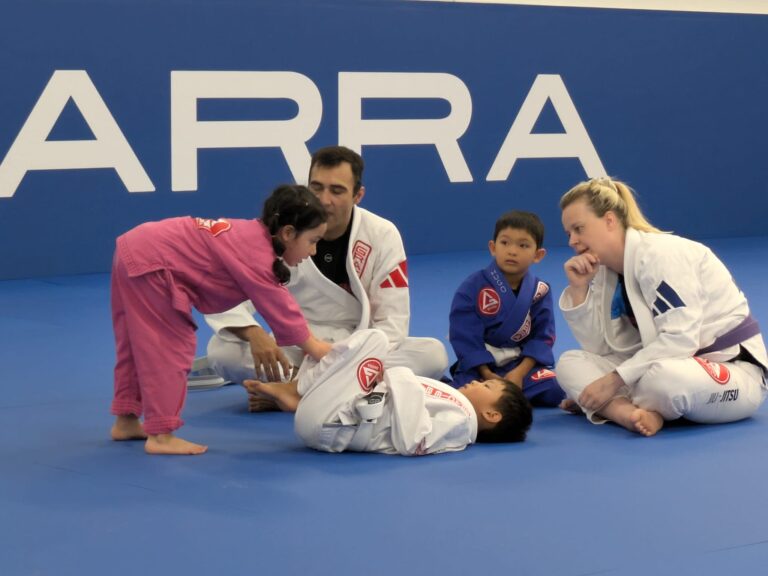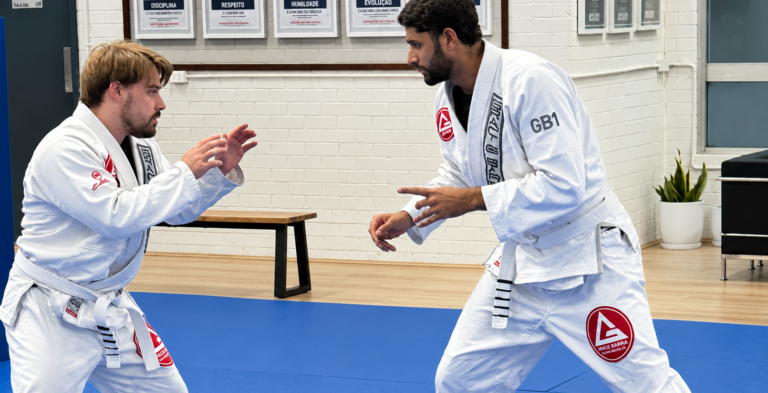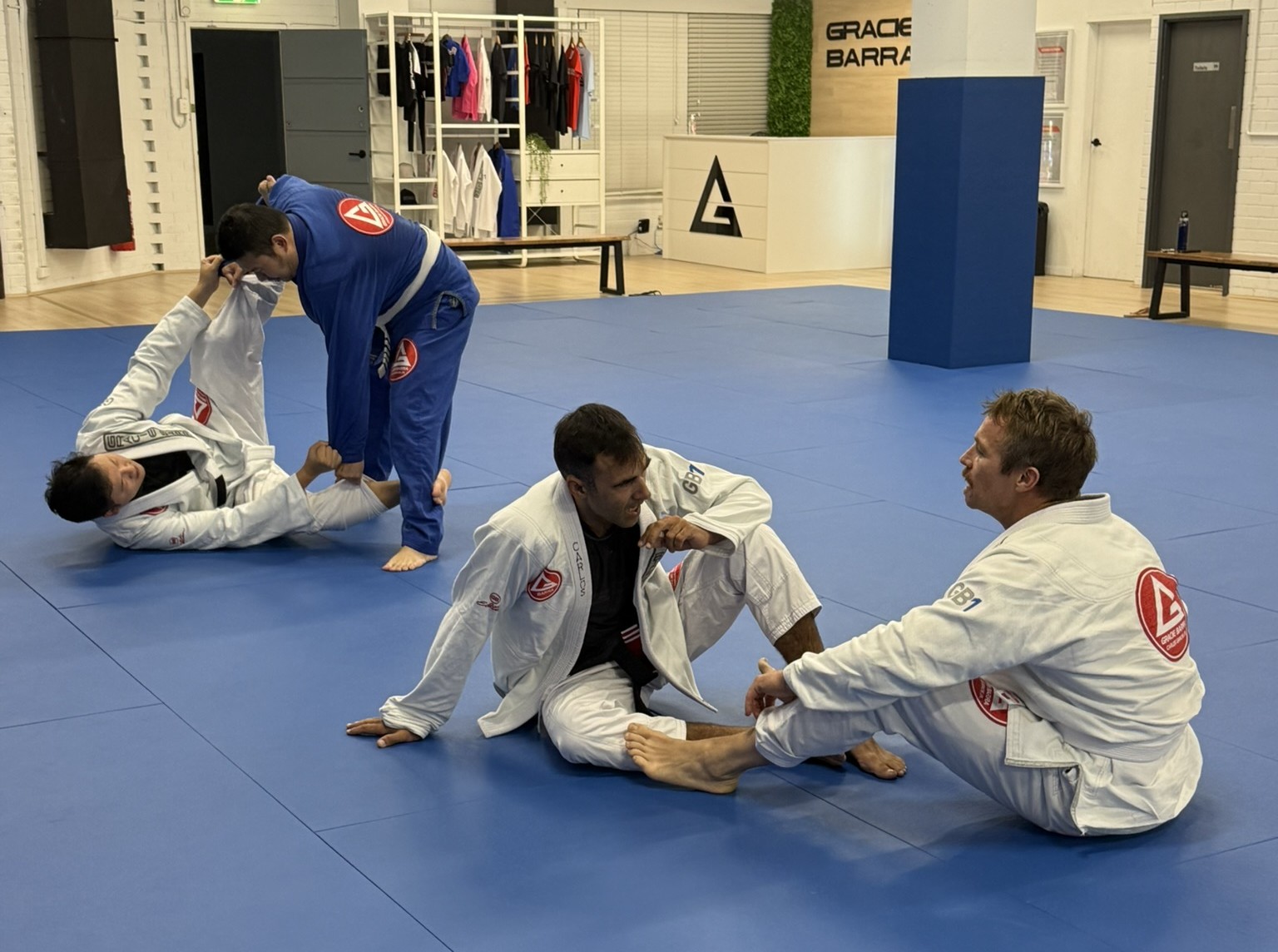
What changes when you try Jiu-Jitsu with a friend?
If you want to try Jiu-Jitsu with a friend, arriving together can make the first visit easier to imagine. You already have someone to speak with before class and someone to compare impressions with afterwards. That familiar company is useful, but it does not mean you must work as a pair throughout the session.
At Gracie Barra Artarmon, we welcome adults who are new to the mats. The best reason to try a class together is simple: you can share the experience while each person learns at a comfortable pace. Understanding how that works can help you decide whether to invite a friend or come on your own.
DISCOVER Gracie Barra Artarmon
CLICK HEREA familiar face can make the first visit feel simpler
Entering an unfamiliar room can take more effort than the activity itself. When you come with a friend, you can find the entrance together, introduce yourselves and ask the questions that occur to both of you. You may be wondering what to wear, how a class begins or whether any experience is needed. Those are ordinary first-visit questions, and our beginner’s guide gives useful context before you arrive.
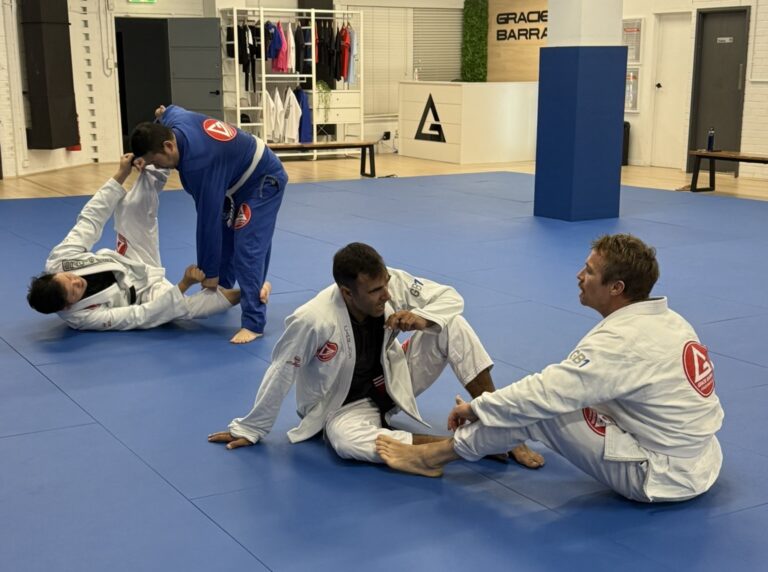
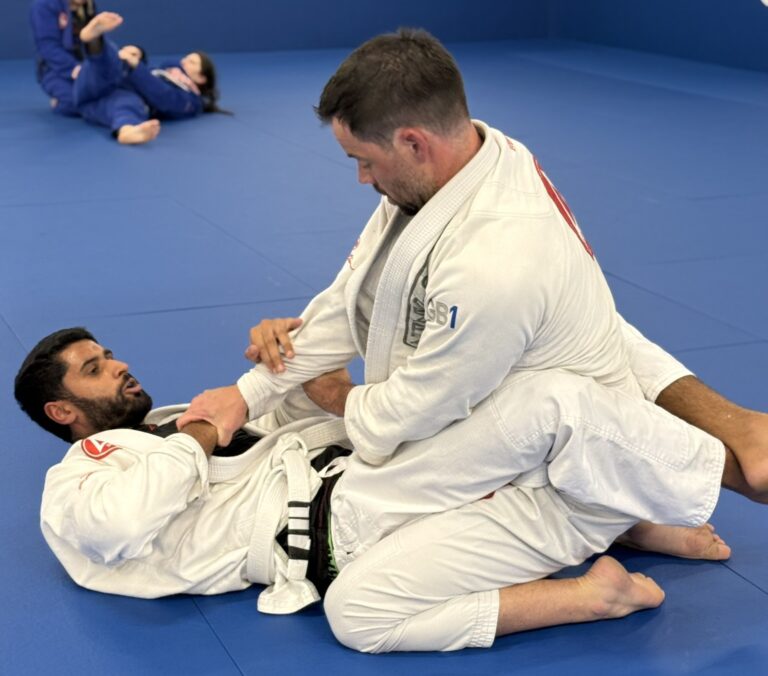
Once class begins, follow the instructor’s directions rather than trying to manage the experience for each other. Depending on the activity, you may practise together or with other students. Either way, you still have the reassurance of a shared starting point without needing your friend to explain every step.
That distinction matters if one of you feels ready sooner than the other. A friend can make an invitation feel warmer, but each person should be free to decide whether the activity suits them. If you are comparing options before visiting, our class information can help you see what is available.
Sharing the experience gives you more to talk about
After class, a conversation can begin with something concrete: a movement that was new, a question you asked or a moment you enjoyed. Neither person needs to give the other a performance review. The value is in having taken part in the same activity and hearing what each of you noticed.
Conversation can replace comparison
Friends sometimes assume they will learn at the same speed. In practice, one person may find a particular exercise intuitive while the other needs to see it again. That difference is normal and does not tell you who is “better” at Jiu-Jitsu. Ask what your friend thought of the activity instead of comparing who remembered more.
This is also useful when your goals differ. One person may enjoy the social side of class; the other may be drawn to learning a new physical skill. You can enjoy attending together without needing identical reasons. If your interest grows into a regular activity, our article on building a Jiu-Jitsu routine around a busy week explores how to make room for training without making rigid promises to each other.
Encouragement works best when it stays specific
A quick “I liked how you kept trying that” can be more welcome than a big claim about someone’s talent. It recognises something you actually observed and leaves room for your friend to describe their own experience. If they found part of class difficult, you do not have to turn the journey home into advice.
Listening can be enough. When either of you wants guidance about practice, an instructor is the right person to ask. Our post on being a considerate training partner looks more closely at the communication that helps people learn together on the mats.
Coming together can lead to wider connections
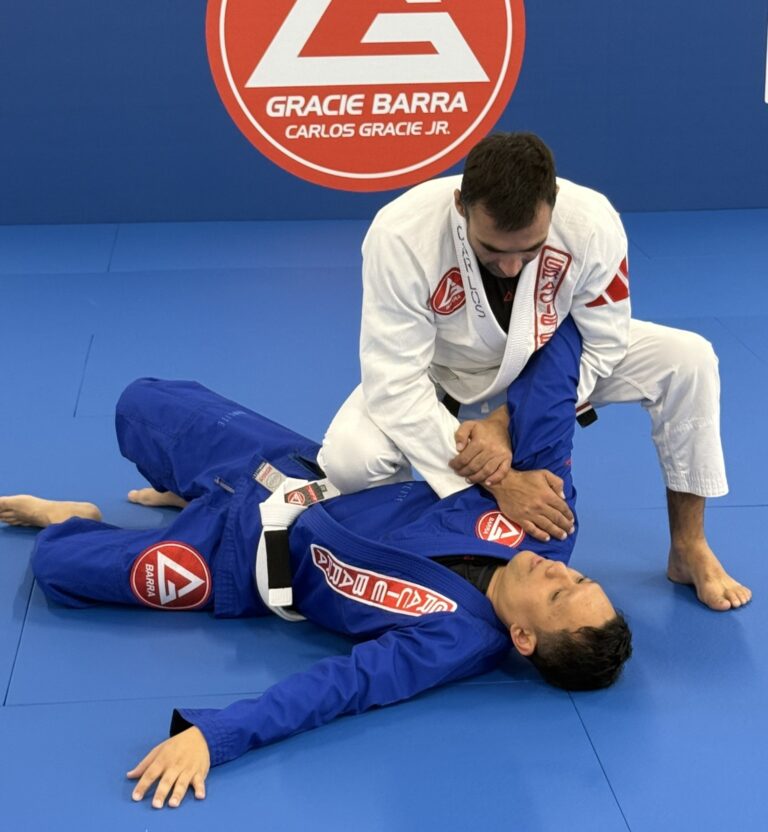
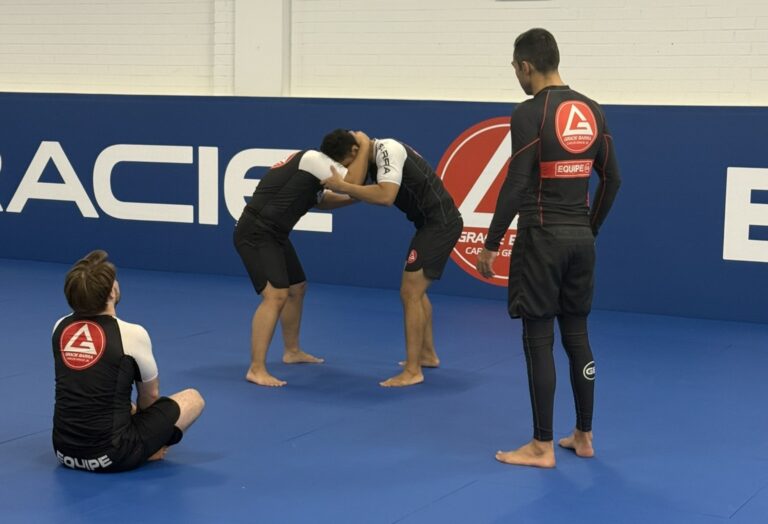
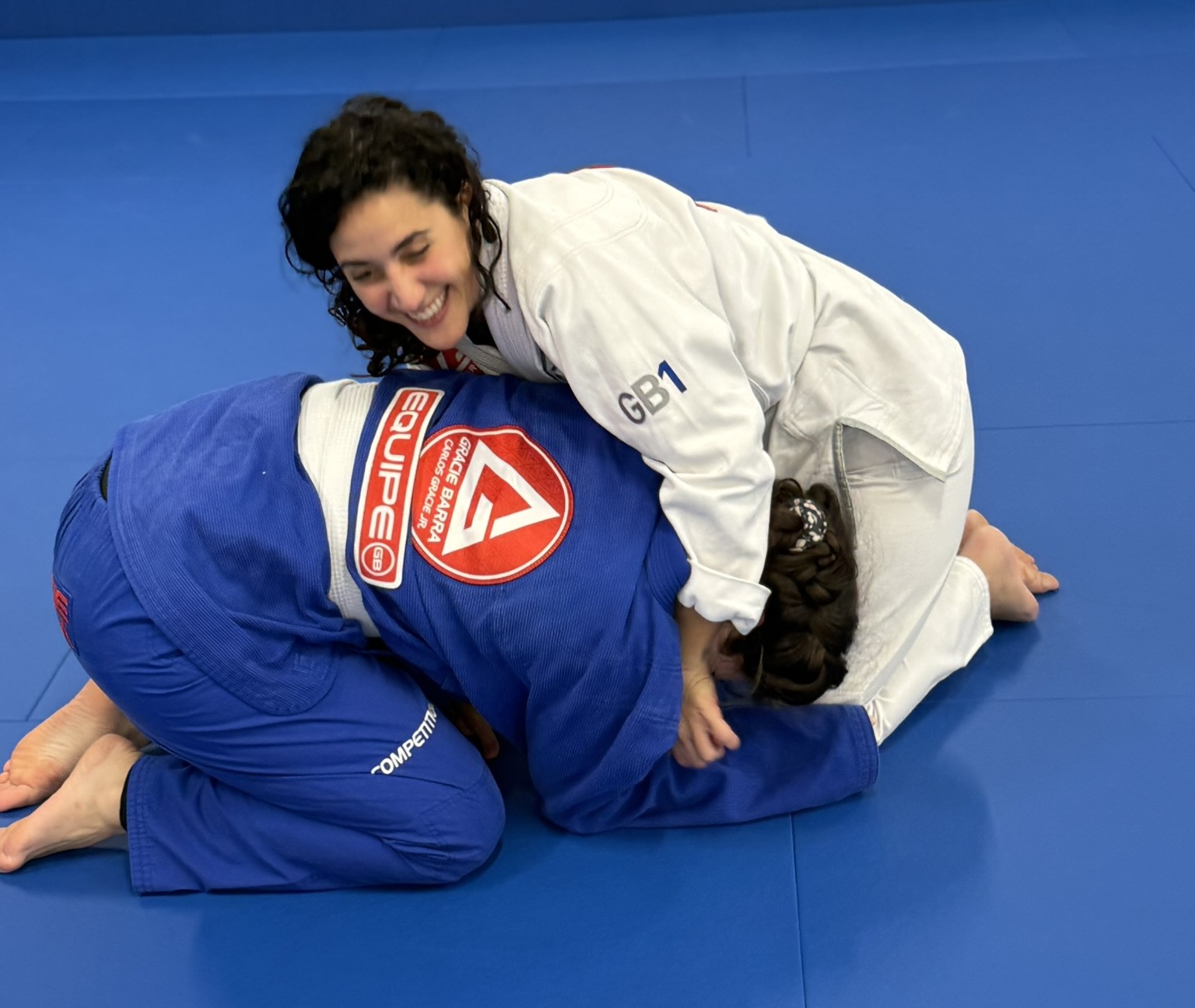
Trying Jiu-Jitsu with a friend does not limit you to one partner. Practising with different people is part of the shared class experience. You may hear another beginner ask a question you had not thought of, or notice a different way someone approaches a familiar exercise. Those exchanges help the room feel less unfamiliar over time.
At Gracie Barra Artarmon, we want people to feel able to take part as themselves. Your friend can be your starting point while you each get to know other students. That gives both of you a broader experience than staying side by side for every activity.
It also leaves the friendship free of pressure. If one of you prefers a different class or develops a different interest, there is no need to treat that as a failed plan. You still have a shared experience and can remain interested in what the other person is learning.
How to make an invitation feel easy
If you want to invite someone, tell them what interests you rather than promising that they will love it. “I’m curious about trying Jiu-Jitsu. Would you like to find out about a class with me?” gives them enough information and a genuine choice. They can say yes, ask questions or decide it is not for them.
Before making plans, agree on the practical details together: which class you are considering and what you would each like to ask. If either of you is unsure, contact us about getting started. That is more reliable than guessing about what a first visit will involve.
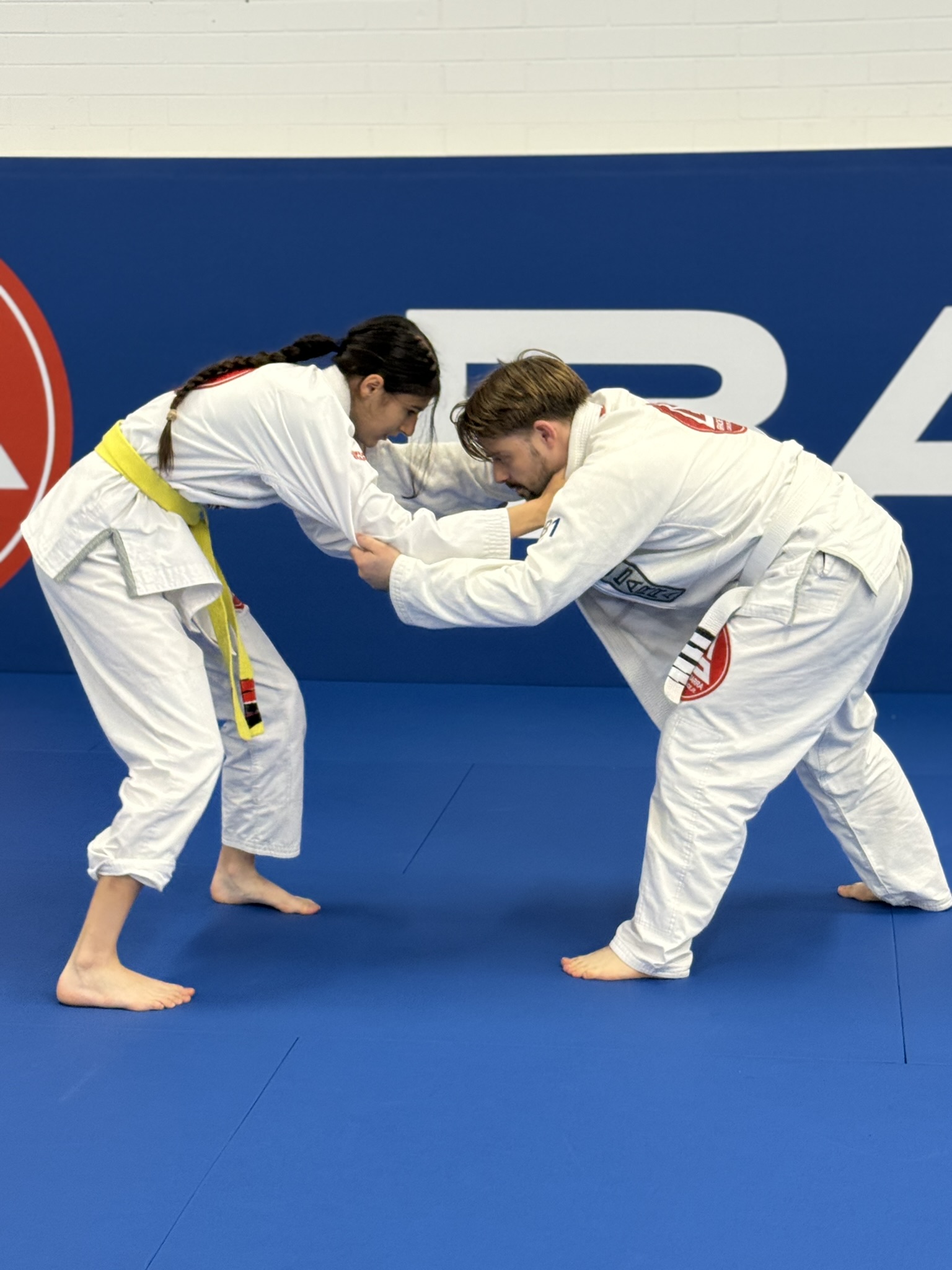
Give each other room to enjoy the class differently
Imagine that you both attend and come away with different favourite moments. One of you might enjoy learning alongside a partner; the other might remember a conversation with a new classmate. Neither response needs correcting. Sharing a first class gives you a point of connection, not a script for how each person should feel.
That approach makes a second conversation easier too. You can ask whether your friend would like to learn more, without asking for a commitment on the spot. If you are weighing the experience against other ways to train, the Gi and No-Gi overview explains two formats you may encounter, without requiring you to choose one before you begin.
DISCOVER Gracie Barra Artarmon
CLICK HEREA good first step is one you can choose together
The strongest reason to try Jiu-Jitsu with a friend is the chance to share a new experience without having to share every preference or outcome. A familiar face can ease the first visit, conversation can make the class memorable, and practising with others can introduce both of you to a wider group.
If that sounds appealing, we would be glad to answer your questions at Gracie Barra Artarmon. You can decide together whether to visit, or make your own enquiry first. Either way, curiosity is enough to begin the conversation.