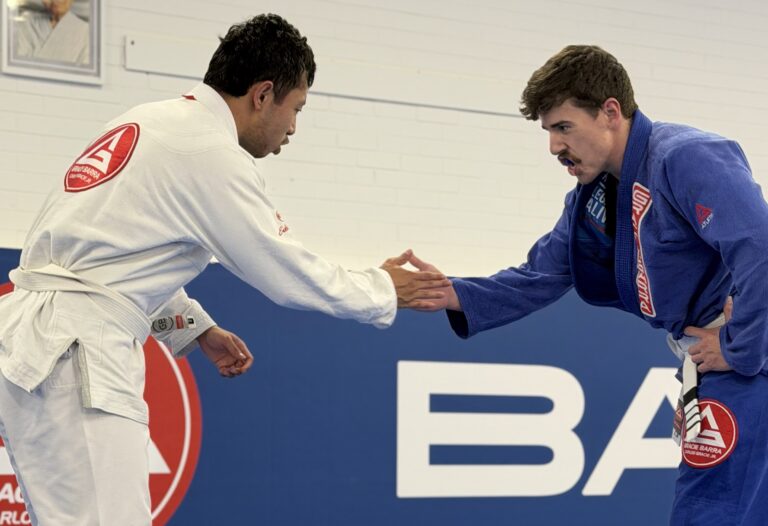
Understanding the BJJ Belt System at Gracie Barra Artarmon
Stepping onto the mats for the first time can feel like learning an entirely new language. Between tying your jacket and practising unfamiliar ground movements, tracking personal progress is an important part of the journey. In Brazilian Jiu-Jitsu, your belt tells a story of genuine patience, physical problem-solving, and steady personal effort.
Unlike activities where you move up by paying a grading fee or waiting out a set timeframe, Jiu-Jitsu demands true competence. Every rank tied around your waist reflects hours of honest effort alongside supportive training partners. At Gracie Barra Artarmon, our structured mats give both kids and adults a clear roadmap to develop their skills safely.
Whether you are a North Shore parent looking at classes for your youngsters or an adult ready to have a go, understanding the ranking structure helps you appreciate every milestone.
Discover Gracie Barra Artarmon Community
How Belt Progression Works on the Mats
Progress on our Reserve Road mats is never handed out on attendance alone. Instead, students advance by showing technical understanding, emotional composure, and respectful partner habits during regular training sessions.
The Role of Stripes in Tracking Growth
Long gaps between major belt ranks can sometimes test a student’s patience. To keep practitioners motivated, Brazilian Jiu-Jitsu uses an incremental sleeve stripe system to recognise steady dedication.
Adult belts feature four stripes before a student moves up to the following rank. Each stripe marks reliable attendance, improved technique, and a positive mindset during rolls. Consequently, these small milestones keep students focused on daily improvements rather than obsessing over the destination.
Earning Competence Through Live Partner Work
Practitioners quickly discover that a belt cannot be faked on the mats. Students must demonstrate that their escapes, guards, and submissions work smoothly against resisting training partners.
Because of this practical standard, every grade earned carries immense self-respect. You know that your skills function reliably under physical pressure. Therefore, ranking up brings quiet inner confidence that carries over into work, study, and daily life across Sydney.
The Kids Belt Progression from White to Green
Younger bodies and minds need a progression structure built specifically for their growing emotional and physical maturity. Our junior curriculum breaks the journey into manageable steps that keep children motivated from kindy to high school.
Building Early Habits with White and Grey Belts
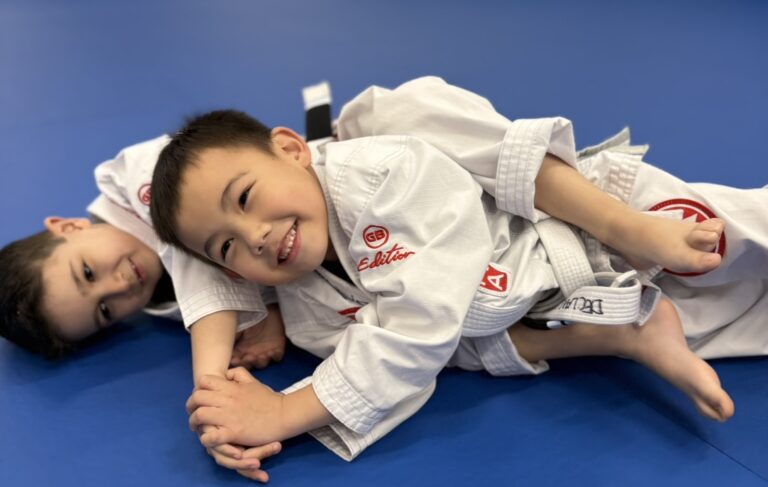
Young children aged three to nine begin their journey learning fundamental movement mechanics, listening skills, and mat etiquette. White and grey belts focus heavily on body awareness and safe partner interaction.
During these foundational stages, our coaching team uses engaging partner games to introduce ground control. Children learn to follow instructions, share mat space respectfully, and recover quickly from accidental tumbles. As a result, little ones build healthy coordination and physical self-esteem step by step.
Developing Mastery Through Yellow, Orange, and Green
As primary schoolers advance into their junior and teen years, their training naturally becomes more tactical and strategic. The yellow, orange, and green belt ranks introduce refined timing, counter-attacks, and advanced non-violent self-defence holds.
Reaching a green belt represents the pinnacle of the youth ranking syllabus. Green belts demonstrate exceptional technical understanding, emotional calm under pressure, and strong peer leadership on the mats. Consequently, these older youth transition seamlessly into adult classes when they turn sixteen.
The Adult Belt Journey from Beginner to Mastery
The adult belt progression is a demanding path that rewards humility, regular attendance, and analytical thinking. Adults move through five core colours, with each stage teaching valuable life lessons on and off the mats.
White Belt: Laying Down Groundwork and Defence
Every single grappler starts as a white belt, and this introductory rank centres entirely on learning how to learn. Beginners concentrate on fundamental defensive posture, basic hip escapes, and essential positional control.
During this stage, surviving tough positions and managing your breathing remain your highest priorities. Highly trained instructors guide new starters through a clear step-by-step syllabus that prevents feeling overwhelmed. Most practitioners spend one to two years here developing relaxed breathing and safe defensive habits.
Blue Belt: Technical Awareness and Solid Defence
Earning a blue belt signals that you possess a working understanding of major ground positions and escapes. Blue belts spend substantial time experimenting with combinations, guard sweeps, and submission chains.
Furthermore, this stage demands real mental resilience as practitioners fine-tune their defensive reactions against experienced training partners. Most grapplers spend two to three years at this rank building consistency, developing individual strengths, and expanding their technical vocabulary.
Purple Belt: Sharpening Strategy and Personal Style
Purple belt is widely considered the rank where a practitioner connects isolated movements into a fluid, personal game. Grapplers at this level know what setups work best for their body type and leverage preferences.
Instead of reacting to an opponent’s moves, purple belts set traps, dictate pacing, and flow smoothly between attacks. They refine subtle details such as balance manipulation, weight transitions, and directional pressure. This intermediate rank establishes the strategic foundation for true upper-belt mastery.
Brown and Black Belts: Precision and Complete Mastery
The brown belt stage is a period of deep technical polishing and micro-adjustments. Brown belts anticipate a partner’s movements several steps ahead, neutralising counters before they even start.
Ultimately, reaching a black belt reflects technical excellence, mental composure, and profound conceptual knowledge. A black belt adapts instantly to any style or training situation while embodying humility, safety, and respect. For our coaches, tying on a black belt is not the finish line, but rather a commitment to lifelong learning.
Mentorship from Highly Trained Local Instructors
Mastering any belt rank requires steady support, clear technical feedback, and positive mat culture. At Gracie Barra Artarmon, students train alongside well-trained instructors who teach technical mechanics with genuine patience.
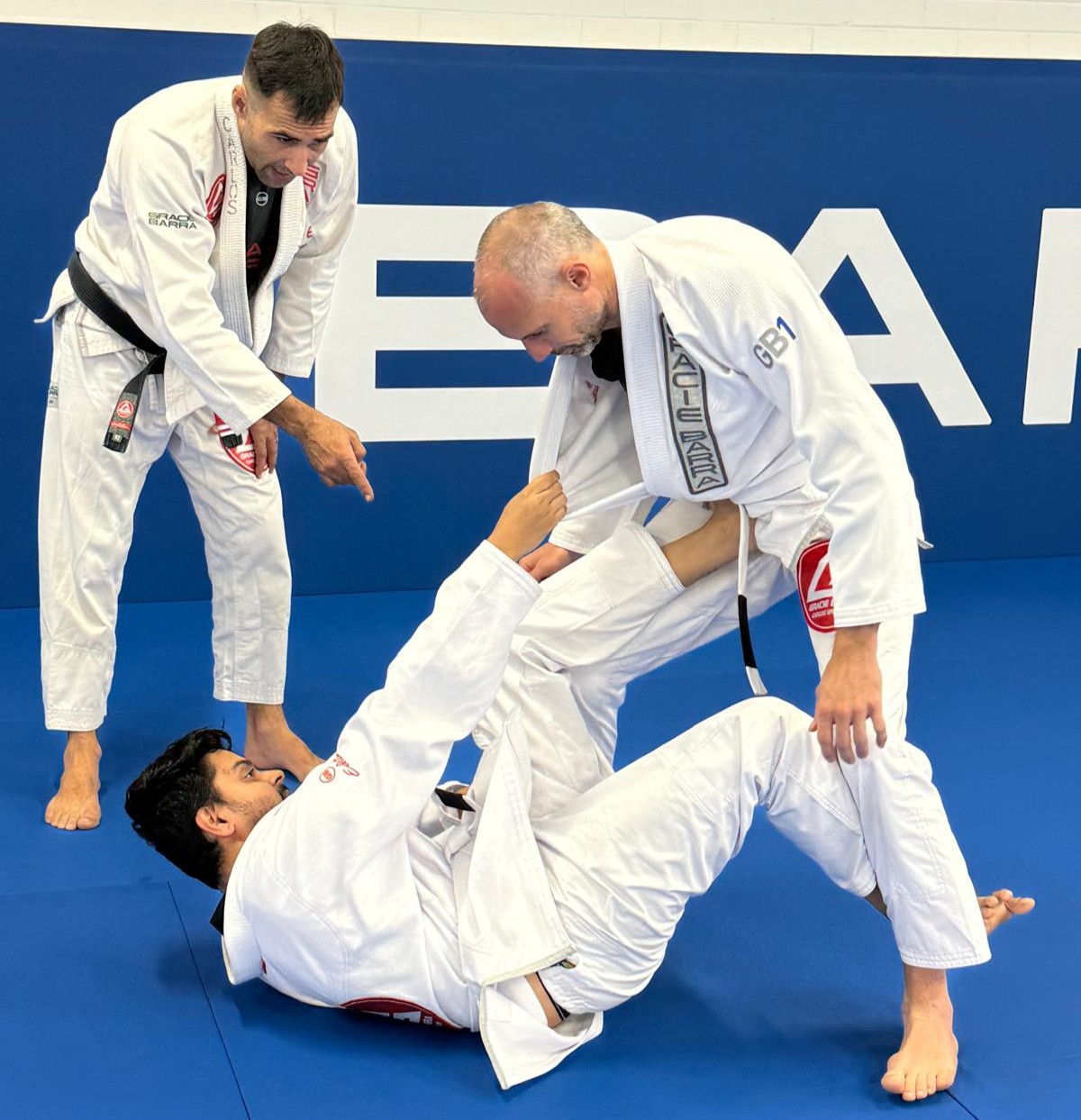
Whenever a student gets stuck on a difficult escape or guard pass, our coaching team provides thoughtful guidance to solve the puzzle. Practitioners learn to embrace tough rounds as valuable feedback rather than setbacks. That encouraging coaching environment helps North Shore students back themselves and enjoy their training week in and week out.
Take Your First Step on the Mats at Gracie Barra Artarmon
Earning a belt in Brazilian Jiu-Jitsu is one of the most rewarding pursuits you or your children can take on. Every stripe and coloured belt tied around your waist stands for real grit, practical capability, and countless hours of healthy exercise. Under our structured curriculum, you will build authentic self-defence skills while making genuine friendships in a welcoming local academy.
Discover Gracie Barra Artarmon Community
Our community warmly invites families and individuals from Artarmon, Willoughby, and right across Sydney’s Lower North Shore to come and experience our classes. Visit us at Unit 8, 82 Reserve Road, Artarmon to see how our structured programs can help you achieve your goals. Book your free trial class today and begin your journey on the mats.